MIG & TIG Welding
IN-HOUSE WELDING
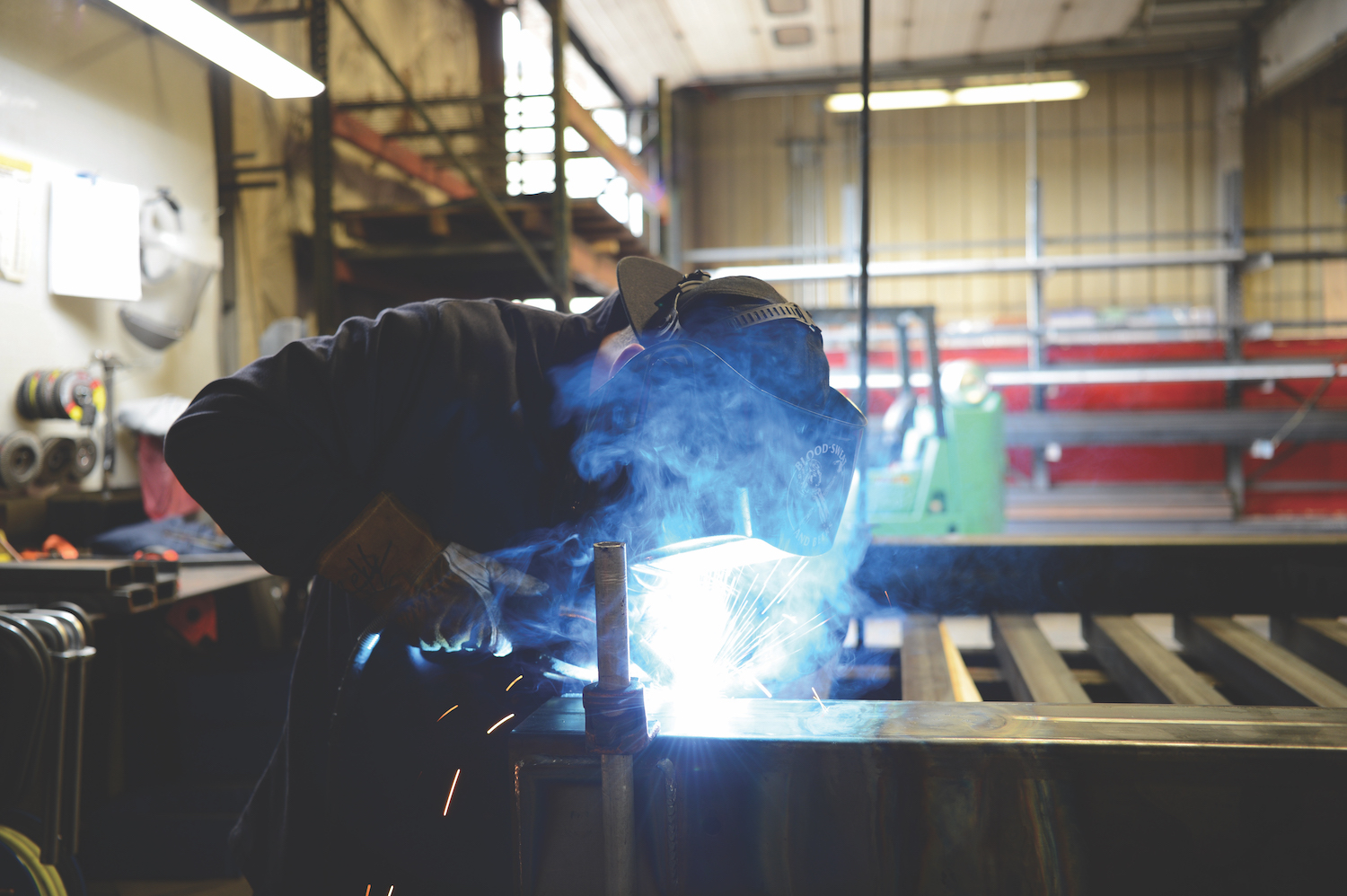
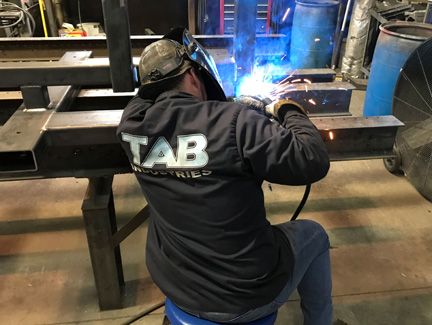
TAB Industries welds in-house using MIG, TIG, laser, and robotic processes — four methods under one roof, so parts are matched to the right process. Every weld is performed by trained welders working to code, using the process best suited to the metal, thickness, and end use. Most welded parts arrive straight from TAB's laser cutting and parts fabrication departments, moving through the shop without a vendor handoff in between.
Processes & Materials
- Processes: MIG welding, TIG welding, laser welding, and robotic welding for high-volume simple parts
- Materials joined: stainless steel, carbon steel, aluminum, cast iron, copper, and lead, including thin-gauge metals prone to warping
- Clean, continuous welds with no warping, cracking, or oxide formation, even on sensitive metals like aluminum
Quality Standards
TAB's welding procedures follow American Society of Mechanical Engineers (ASME) and American Welding Society (AWS) codes, ensuring every weld coming off the laser cutting and fabrication lines meets a documented, repeatable standard before moving to powder coating or final assembly.
Choosing the Right Process
TAB's engineers help customers select the right welding process based on the metals being joined, material thickness, deadline, budget, and end use:
- Laser welding: deep, high-precision welds for intricate parts, including aerospace-grade applications
- Robotic welding: automated, high-volume production of relatively simple, repeatable parts
- MIG welding: the workhorse process for less complex welds and the most common welding method used in U.S. manufacturing today
- TIG welding: precision welds that preserve the base metal's original corrosion resistance, ideal for detailed, cosmetic-grade joints
What Affects Welding Price and Lead Time
- Weld process selected: laser and robotic welding involve different setup costs than manual MIG/TIG
- Material type and thickness: thin or exotic metals require more careful, and often slower, technique
- Joint complexity and length: more welds per part, or longer continuous welds, add time
- Downstream finishing needs: parts headed to powder coating or assembly are scheduled as part of the full production flow
Frequently Asked Questions
What's the difference between MIG, TIG, laser, and robotic welding, and how does TAB decide which to use?
Each process has its place. TAB's welding team selects the process based on the parts' materials, thicknesses, deadline, budget, and end use. Laser welding, for example, is typically reserved for deep, high-precision welds like those needed in aerospace-grade parts, while robotic welding is the go-to for producing large quantities of simpler parts quickly and consistently.
Will TAB weld parts I've already had fabricated elsewhere, or only parts TAB fabricates?
TAB will fabricate parts and weld them per customer specifications. Customers can also provide parts to be welded, and TAB will perform welding services only if desired.
Can TAB provide welding certifications or documentation (e.g., certified welder credentials, weld procedure specifications) for my project?
TAB does not provide certification services. However, we do comply but are not certified.
Does TAB offer on-site welding, or is all welding done at TAB's facility?
TAB does not provide off-site welding services.
Can TAB repair or retrofit welds on existing equipment, or is this new-part fabrication only?
TAB can provide repair/retrofit welding jobs in addition to new-part fabrication.
Request a Quote for Welding
Related Articles
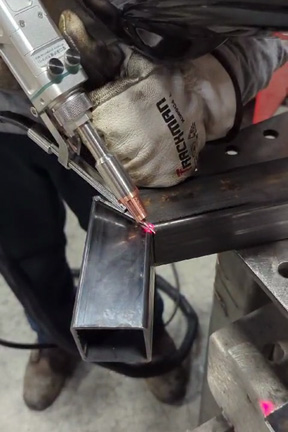
TAB Industries Adds Laser Welding to Range of Metal Services
Metals Manufacturer Extends Run of Capital Equipment Investments Reading, PA: Metalworking...
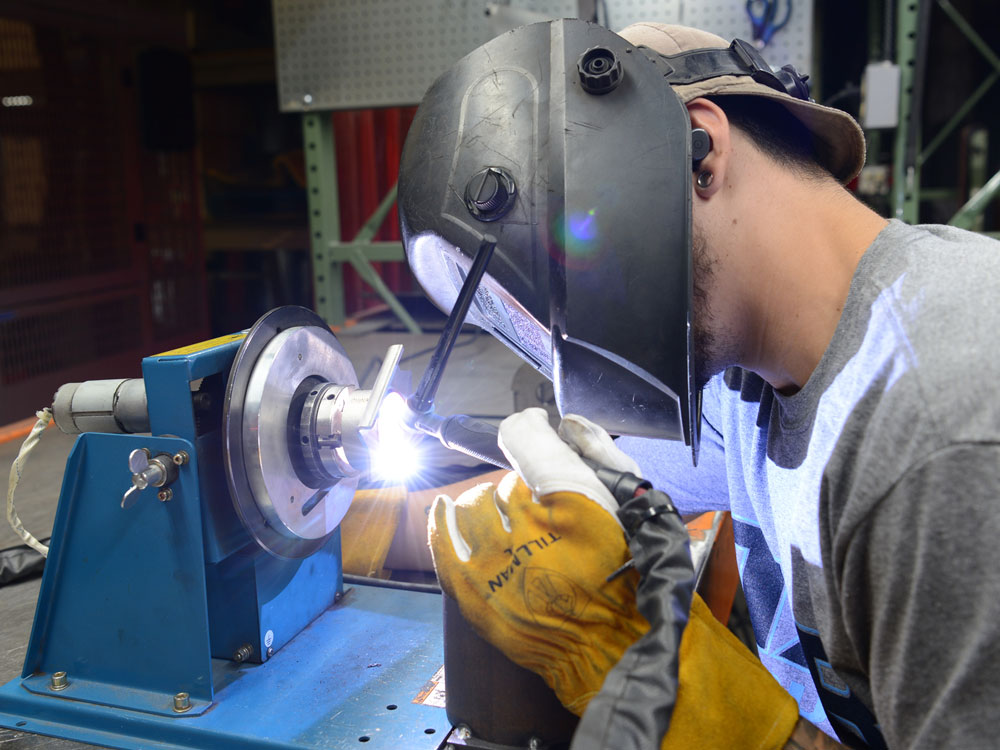
Why We Added More Welding Equipment
We're a welding company in Pennsylvania but we do much more than welding in our Reading, PA metal...
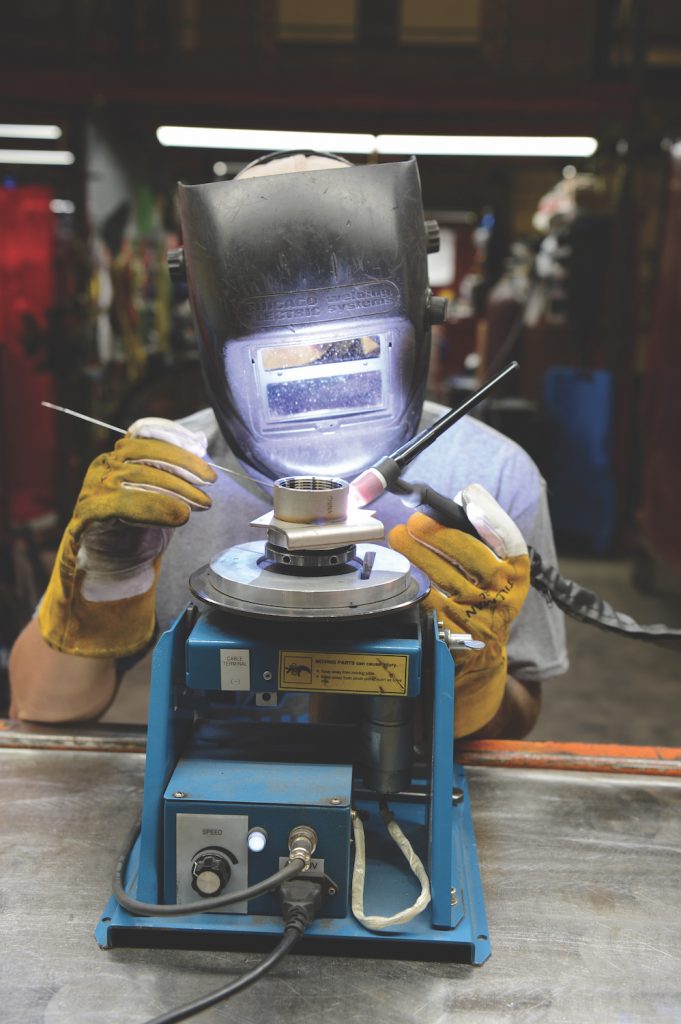
TAB Industries Expands Welding Shop
TAB Industries Expands Welding Shop Reading, PA: Metalworking manufacturer TAB Industries, LLC,...